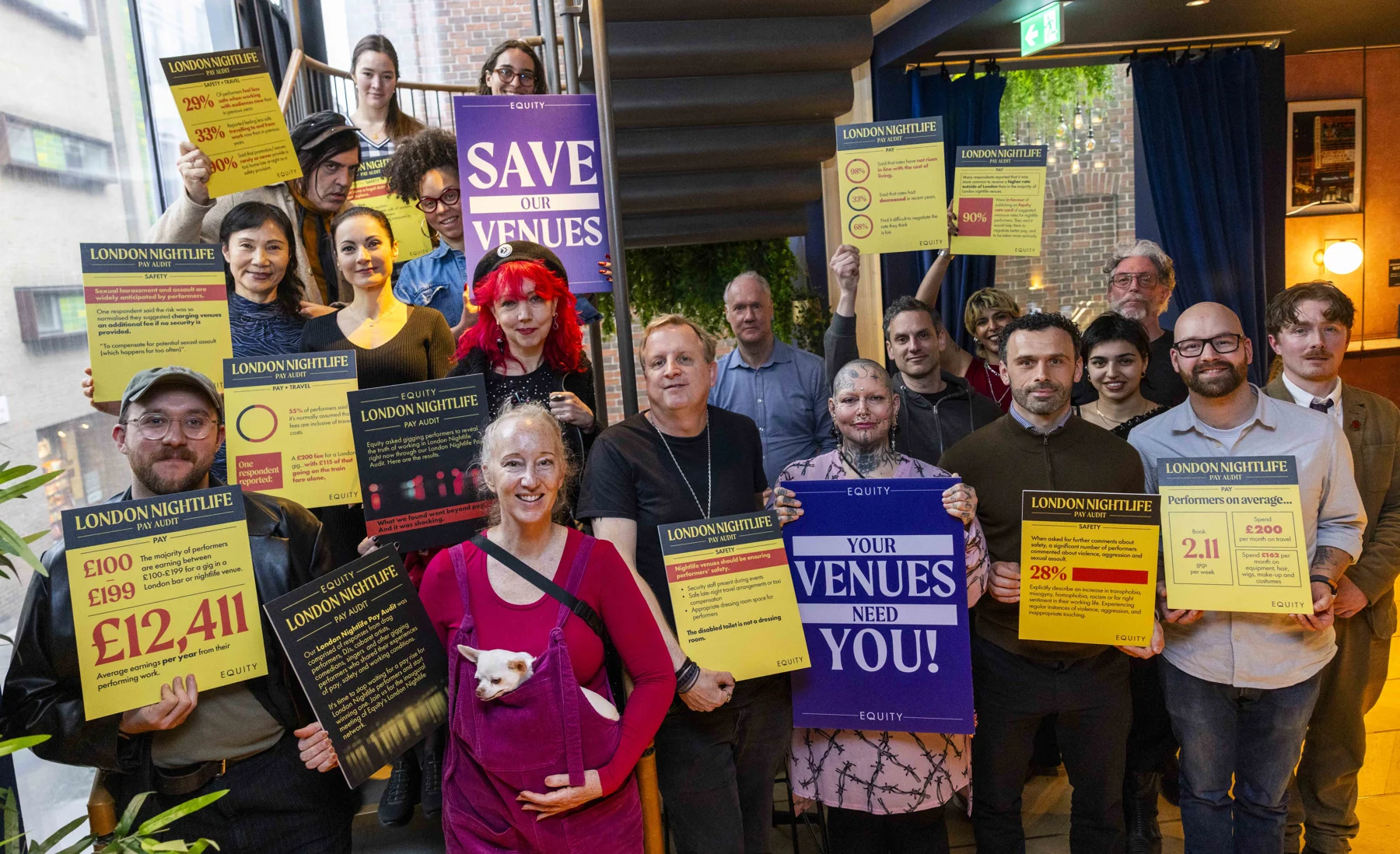
Comedians, DJs, burlesque performers, aerialists, cabaret performers and more discovered they have shared experiences and that working in silos prevents collaboration for better working conditions. The realisation came at the launch event for Equity’s new London Nightlife Network, held at Underbelly Soho at the end of March.
Nightlife survey reveals reality of pay and safety for workers
The event included the launch of new survey results, which showed that 98% of London nightlife performers say pay has not kept up with rising costs. Nearly a third say that rising transphobia, misogyny, homophobia, racism or far-right sentiment has made them feel less safe, due to audience aggression and when travelling to and from gigs.
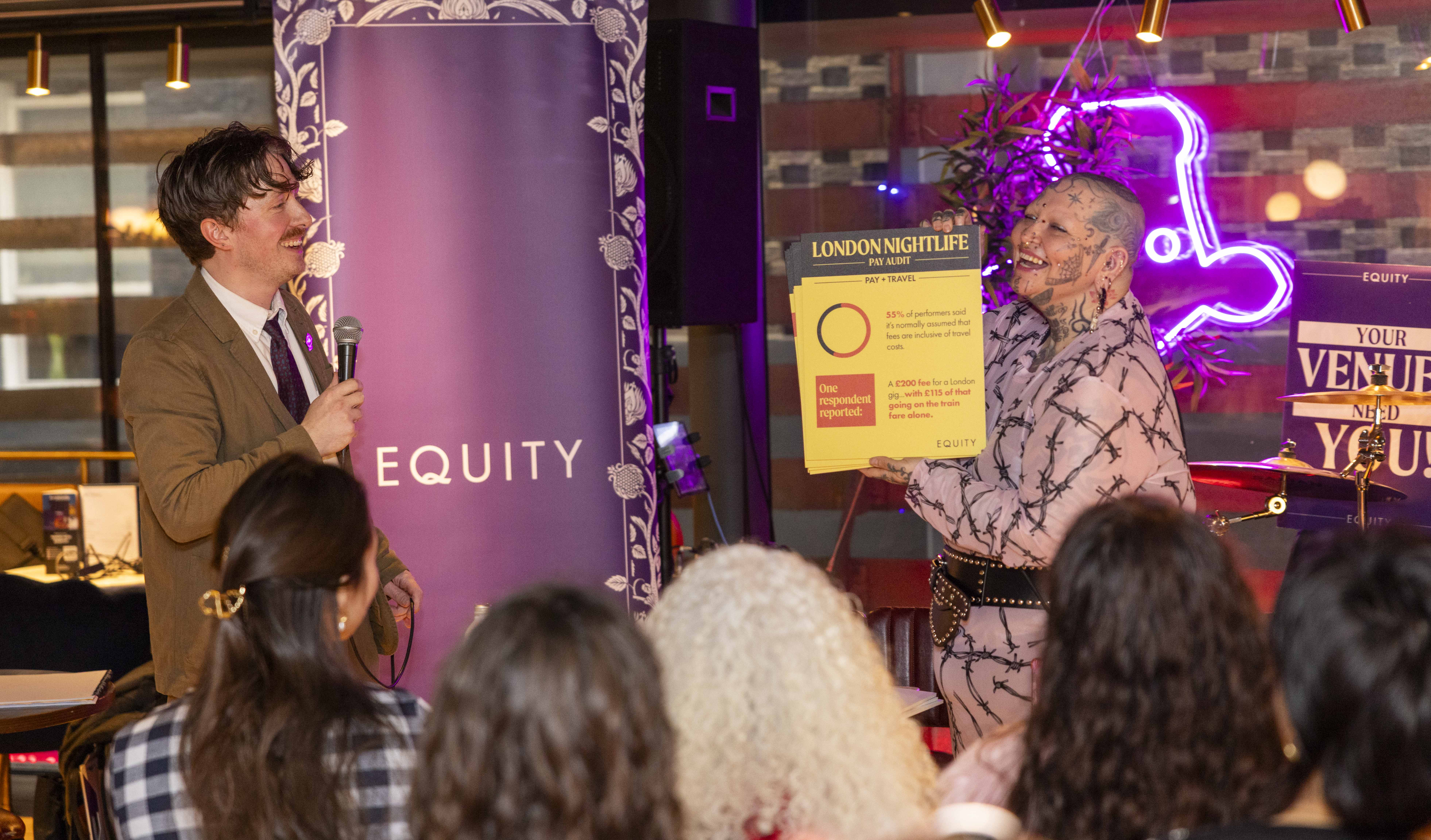
Safety in venues, getting home after late gigs, poor pay, inadequate changing facilities and lack of interaction with other performers were common themes discussed by an expert panel and attendees from across the sector.
London’s deputy mayor for culture, Justine Simons, from City Hall, recognised the challenges. She described her role as “to keep London at the top of its game when it comes to culture and nightlife - seeing how can we solve a problem or unlock an opportunity.”
She explained the work being done on licensing reform – “quite a dull area but in real life it’s exciting” – which includes plans to devolve licensing powers to the mayor which means City Hall can get involved in supporting venues. Justine also gave a shout out to the Culture at Risk Office, established in response to an overwhelming volume of calls from small venues, artists, pubs, clubs who find their venues or spaces at risk of closure, calling it the ‘Bat Phone’. The Office has handled 1,500 cases since the pandemic, giving advice on rights, how to navigate the system, how to interact with local authorities, and providing guidance on licensing, working with landlords, and more.
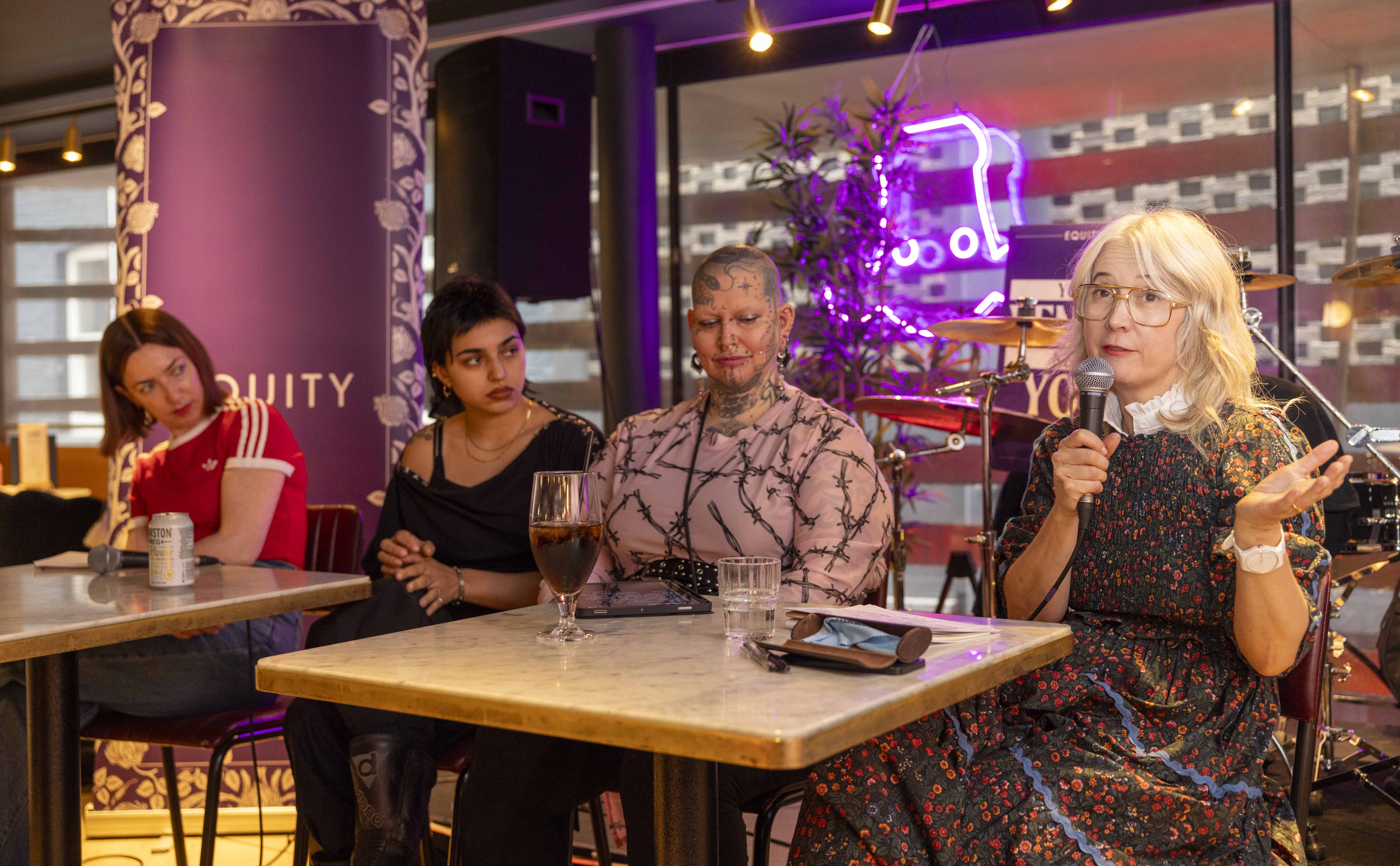
Turning to questions of supporting creatives, Equity’s Variety Organiser Nick Keegan asked panellists what support workers need.
“I think unity amongst performers is unfortunately lacking” replied comedian Liz Guterbock “Stand up is a very solitary thing. There are groups giving the impression they are advocating for the profession, but really it’s for the benefit of venues. There’s a sense we have to do it for ourselves.” She went on to say that “having a rate card would be really useful”, referencing the Equity recommended rates for voice artists which she used when out of drama school. And the need for connection, unity and organising, saying “we need more stand-ups to get involved in the union.”
"We need to work less in silos"
This sentiment was strongly backed by DJ and writer Anjali Prashar-Savoie who picked up the theme of rates and solitary performers. “Even though theatre and DJing are quite comparable, we didn’t have rates. We need to work less in silos.” The DJ, who has recently published a book Club Commons: Moving Bodies to Grow Movements in Queer Nightlife and Beyond explained a shift in workers’ mindset across the nightlife economy, saying “there’s a broader interest in worker organising and more interest in connecting working conditions with corporate ownership and control.”

Bringing their experience of DJing on London circuits and pulling together conversations with other nightlife workers, Anjali’s key message was: “We need a culture shift among the workers - whether it’s across roles or workplaces, people have found it quite hard to share experiences and information.”
Burlesque and cabaret artist Smashlyn Monroe – also a member of Equity’s Variety Circus and Entertainers Committee – agreed they also wanted to see a greater level of connection between performers, saying on a show with a line-up of ten acts they might not see the same performer again for six months.
Moving to the issue of safety, Smash shared their experience of “multiple times that audience members have reached out and touched me, even security staff – sometimes they are the biggest perpetrators.” They went on to detail the reality of gigging in small venues, where “sometimes I don’t even have somewhere to change so I don’t have a place to put my things. While lots of the venues are lovely, there are people who will steal.” Smash also described the often aggressive behaviour they experience if they leave a gig still in make-up or part of a costume – the trade-off being whether they can catch the last tube or have to pay out for a taxi. They saw a strong role for Equity is bringing disparate performers together to tackle these common issues.
As the panel discussion continued, questions and comments from the assembled performers established many shared experiences of poor pay – part of fees being “behind the bar” – and a common issue of getting home safe late at night when public transport isn’t an option and taxis aren’t covered by the fee.
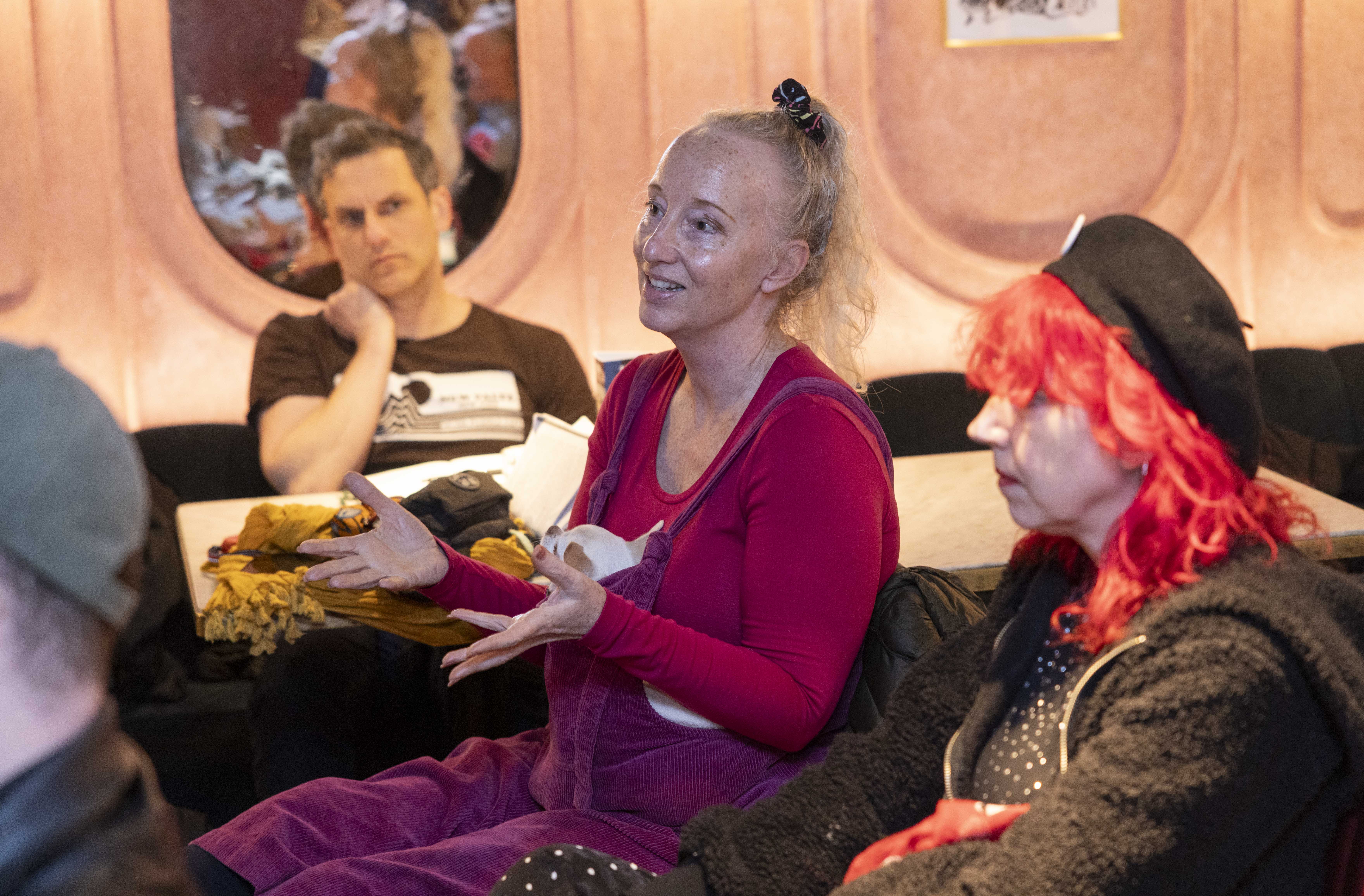
Even the understanding that Equity is working in this area – to chase down late or non-payments, addressing health and safety concerns and establishing minimum dignity at work standard across small clubs and venues – was news to some of the Equity members present. One comedian spoke for many when he said “I would know to come to Equity when I’m doing acting work, but I didn’t realise Equity is there for my stand-up too.”
The Equity London Nightlife Network is now established and will be advertising meetings. Look out on our website and socials, or drop us a line at nkeegan@equity.org.uk to get involved.